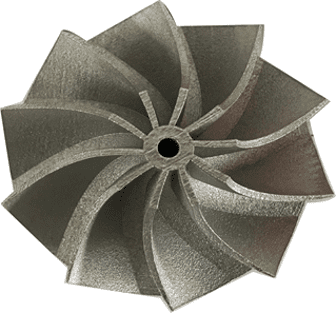
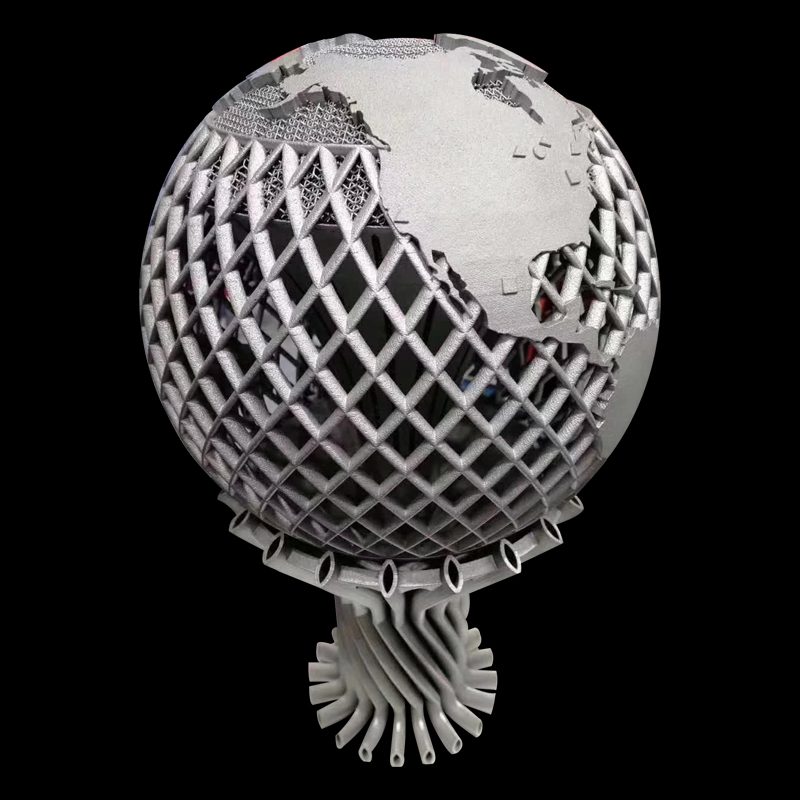
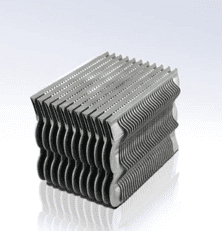
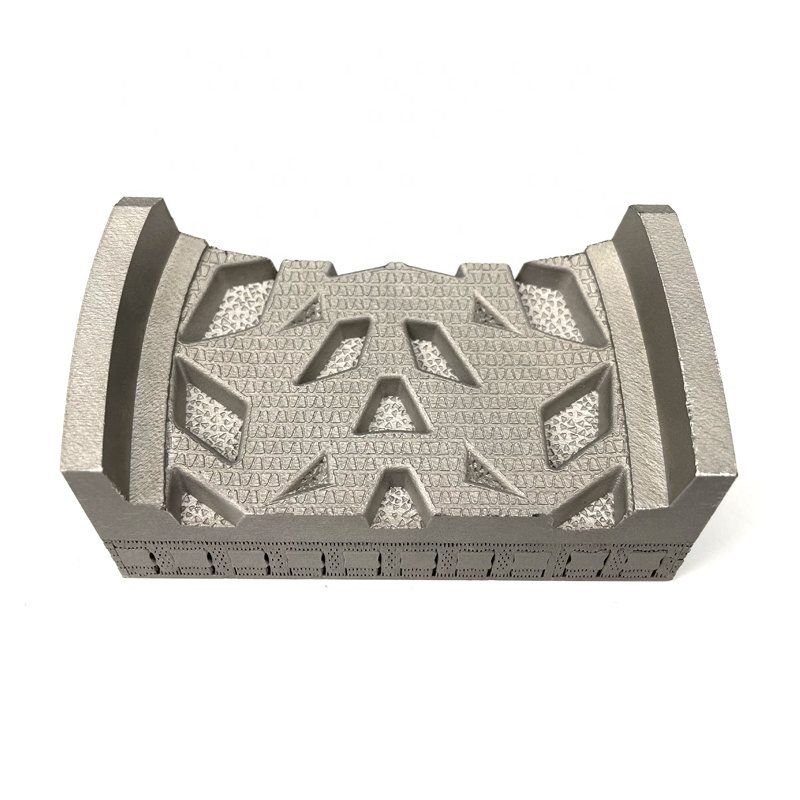
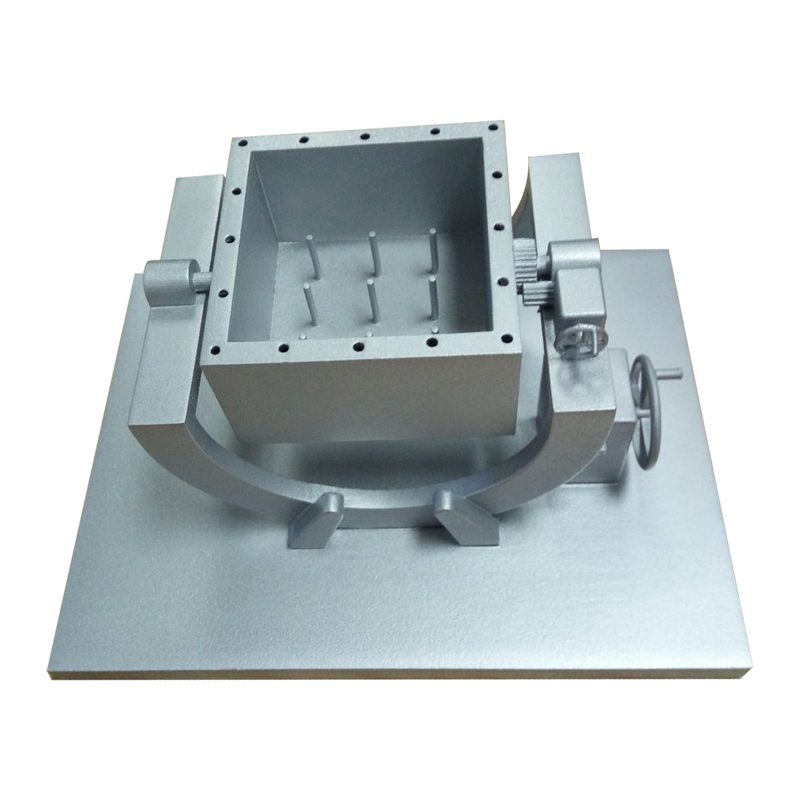
More than 80% of the metal 3D printing parts today are made from a Selective Laser Melting industrial 3D printer. Selective laser melting or SLM is one of many proprietary names for a metal additive manufacturing technology that uses a bed of powder with a source of heat to create metal parts.
Also known as direct metal laser sintering or DMLS, the ASTM standard term is powder bed fusion or PBF.
Applications of metal 3D printing includes: Custom Tools, End-of-Arm Tooling, Low-Volume and Specialty Parts, Surgical and Dental Implants, Jewelry and Decorative Arts, Complex Bracketry, Functional Metal Prototypes and Spare and Obsolete Parts.
Stainless Steel 316L
Stainless steel (316L) is a good metal material for functional parts and spare parts.
Advantages:
High strength and high temperature oxidation resistance
Excellent corrosion resistance
Good welding performance
Available Colors:
Grey
Available Post Processing:
Polishing
Sandblasting
Electroplating
Aluminum Alloy AlSi10Mg
Aluminum Alloy (AlSi10Mg) is the most widely used class of non-ferrous metal structure materials in the industry. The models printed has low density but relatively high strength which is close to or beyond high-quality steel.
Advantages:
Low density but relatively high strength
Excellent corrosion resistance
Good mechanical properties
Available Colors:
Grey
Available Post Processing:
Polishing
Sandblasting
Electroplating
Anodize
Titanium Alloy Ti6Al4V
Titanium Alloys (Ti6Al4V) are alloys based on titanium with other elements added. With the characteristics of high strength, good corrosion resistance and high heat resistance, it has been widely used in various fields.
Advantages:
High Thermal Strength
Excellent corrosion resistance
High specific strength
Available Colors:
Silver White
Available Post Processing:
Polishing
Sandblasting
Electroplating
Miraging Steel (MS1-18Ni300)
Miraging Steel (MS1 – 18Ni300) has the advantages in reducing molding cycle, improving product quality, and more uniform mold temperature field. It can print the front and rear mold cores, inserts, sliders, guide posts and hot runner water jackets of injection molds.
Advantages:
Good mechanical properties
Excellent abrasion resistance
High toughness and good impact resistance
Small heat treatment deformation rate
Available Colors:
Grey
Available Post Processing:
Polishing
Sandblasting
Electroplating
* SLM * Selective Laser Melting * Metal 3D Printing Services * SLM Metal 3D Printing *